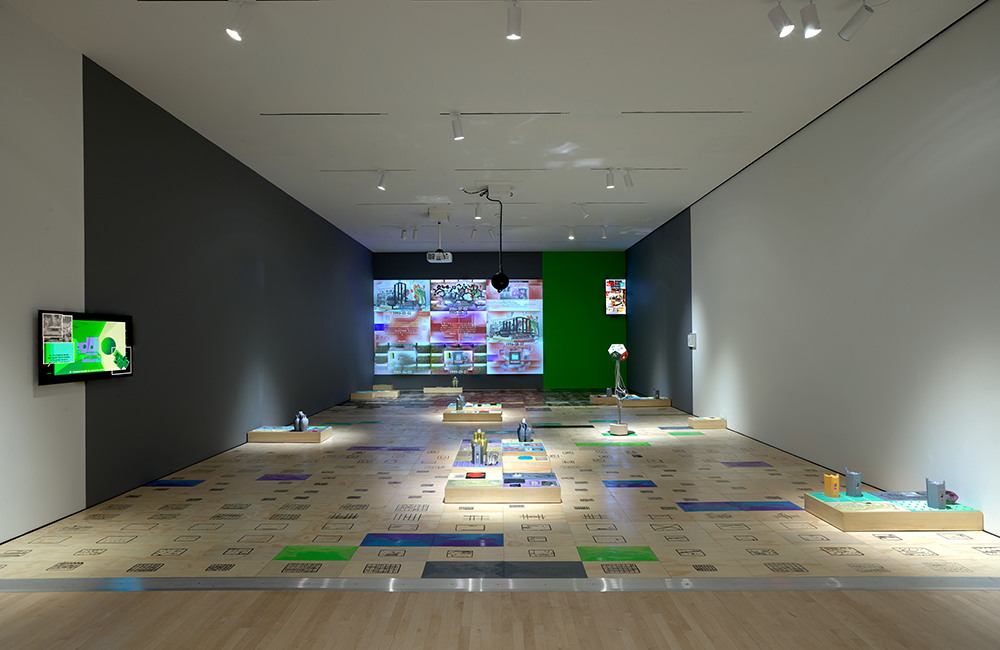
Samson Young 楊嘉輝
By DeWitt Cheng / In The Invention of Morel, a 1940 novella by Adolfo Bioy Casares, a Venezuelan writer sentenced to exile on a deserted island in the South Pacific hides from a group of tourists who arrive suddenly. Observing them daily, he becomes fascinated and begins a journal recording their doings – and starts falling in love with a young woman named Faustine, who strangely ignores him when he approaches her. Even stranger, all the intruders repeat their actions again and again, as if caught in a Groundhog Day time loop. Later, the narrator discovers that the group’s host, Morel, is a scientist, and that the visitors are projected recordings of his guests, all of them granted technological immortality. After the guests have departed, the writer, having learned to operate Morel’s machine, interpolates his image into the projection, pretending to interact with Faustine. Eighty-odd years later, such plot lines may be commonplace in movies – like Woody Allen’s The Purple Rose of Cairo, with its movie characters stepping off-screen and into the real world …


